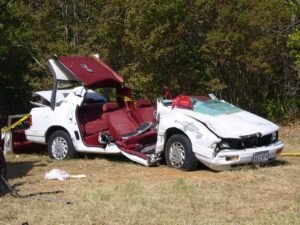
Navigating the road to independence is a huge milestone for teens, but it comes with responsibilities – and expenses. One of the biggest considerations for families is teen driver insurance. Securing adequate coverage while managing costs can feel overwhelming. This guide breaks down everything you need to know about teen driver insurance, from understanding why it’s so expensive to finding ways to save money.
Why is Teen Driver Insurance So Expensive?
Increased Risk Factors
Teen drivers, statistically, are more likely to be involved in accidents. Several factors contribute to this increased risk:
- Lack of Experience: Teens simply haven’t had the time to develop the quick reflexes and hazard perception skills of more seasoned drivers.
Example: A new driver might struggle to react appropriately to a sudden stop in traffic.
- Impulsivity and Distraction: Studies show teens are more prone to distractions like cell phones and peer pressure, leading to risky behavior behind the wheel.
Statistic: According to the CDC, motor vehicle crashes are a leading cause of death for U.S. teens.
- Risk-Taking Behavior: Young drivers are statistically more likely to speed, tailgate, and engage in other dangerous driving habits.
Example: A teen might be tempted to show off by speeding around a corner, increasing the risk of losing control.
Insurance Company Calculations
Insurance companies use actuarial data and statistical analysis to determine insurance premiums. Because of the increased risk factors associated with teen drivers, they are considered a higher-risk group, leading to higher insurance costs.
- Actuarial Data: This data considers factors like age, gender (historically), location, and driving record to predict the likelihood of an accident.
- Risk Assessment: Insurers assess the potential cost of covering a teen driver based on the predicted accident rate.
Understanding Insurance Coverage Options
Liability Coverage
Liability coverage is mandatory in most states and protects you if your teen driver causes an accident that injures someone or damages their property.
- Bodily Injury Liability: Covers medical expenses, lost wages, and other damages for people injured in an accident caused by your teen driver.
Example: If your teen rear-ends another car and the driver sustains whiplash, your bodily injury liability coverage would help pay for their medical bills.
- Property Damage Liability: Covers the cost of repairing or replacing damaged property, such as another vehicle or a fence.
Example: If your teen crashes into a fence, your property damage liability coverage would cover the cost of repairing or replacing it.
- Recommended Coverage Limits: It is crucial to select liability coverage limits high enough to adequately protect your assets. Consult with your insurance agent to determine the appropriate limits for your situation.
Collision Coverage
Collision coverage pays for damage to your vehicle if your teen driver is involved in an accident, regardless of who is at fault.
- Benefits: Protects your vehicle even if the accident is your teen’s fault or if they are hit by an uninsured driver.
- Deductible: You’ll need to pay a deductible before your insurance covers the remaining costs. Choosing a higher deductible can lower your premium, but you’ll pay more out-of-pocket in the event of an accident.
Example: If your car sustains $5,000 worth of damage and you have a $500 deductible, you’ll pay $500 and your insurance will cover the remaining $4,500.
Comprehensive Coverage
Comprehensive coverage protects your vehicle from damage caused by events other than collisions, such as theft, vandalism, fire, or natural disasters.
- Benefits: Provides protection against a wide range of unexpected events.
- Deductible: Similar to collision coverage, you’ll need to pay a deductible before your insurance covers the remaining costs.
Uninsured/Underinsured Motorist Coverage
This coverage protects you if your teen driver is involved in an accident with an uninsured or underinsured driver.
- Bodily Injury Coverage: Pays for medical expenses, lost wages, and other damages if your teen is injured by an uninsured or underinsured driver.
- Property Damage Coverage: Pays for damage to your vehicle if it is damaged by an uninsured or underinsured driver.
Strategies for Lowering Teen Driver Insurance Costs
Driver’s Education and Good Student Discounts
Many insurance companies offer discounts to teen drivers who complete a certified driver’s education course or maintain good grades.
- Driver’s Education Discount: Completing a state-approved driver’s education course demonstrates responsibility and can lower your insurance premiums.
- Good Student Discount: Maintaining a B average or higher can qualify your teen for a good student discount, as it suggests responsible behavior. Provide proof of academic performance to your insurer.
Actionable Takeaway: Encourage your teen to excel in school and complete a driver’s education course to take advantage of these discounts.
Adding Teens to Existing Family Policy vs. Standalone Policy
Typically, adding a teen driver to an existing family policy is more cost-effective than purchasing a separate standalone policy.
- Family Policy Benefits: Leveraging the existing coverage and multi-driver discounts can often result in significant savings.
- Standalone Policy Considerations: While a standalone policy might seem appealing, it usually lacks the discounts available with a family policy.
Vehicle Choice and Safety Features
The type of vehicle your teen drives significantly impacts insurance costs.
- Safe and Practical Vehicles: Opt for vehicles with good safety ratings and avoid sports cars or high-performance vehicles, which are more expensive to insure.
Example: A used sedan with advanced safety features like automatic emergency braking and lane departure warning will likely be cheaper to insure than a new sports car.
- Safety Features: Vehicles equipped with anti-lock brakes, airbags, and electronic stability control can qualify for insurance discounts.
Increasing Deductibles
Increasing your deductible can lower your monthly premium, but it’s essential to ensure you can afford to pay the higher deductible in the event of an accident.
- Balancing Act: Choose a deductible that balances lower premiums with your ability to pay out-of-pocket expenses.
Example: Increasing your deductible from $500 to $1,000 could lower your premium by several hundred dollars per year.
Monitoring Teen Driving Habits
Some insurance companies offer programs that track teen driving habits, such as speeding, hard braking, and nighttime driving.
- Telematics Programs: These programs use devices or apps to monitor driving behavior and provide feedback. Safe driving can result in discounts.
Example: A telematics program might track your teen’s speed and provide alerts if they exceed the speed limit.
Staying Safe on the Road
Graduated Driver Licensing (GDL) Programs
GDL programs are designed to gradually introduce teens to driving privileges, reducing their risk of accidents.
- Stages of GDL: These programs typically involve stages with restrictions on nighttime driving, passenger limits, and cell phone use.
- Benefits: GDL programs help teens gain experience in a controlled environment before being granted full driving privileges.
Setting Expectations and Rules
Establish clear rules and expectations for your teen driver to promote safe driving habits.
- No Cell Phone Use: Strictly prohibit cell phone use while driving, including texting, calling, and using apps.
- Passenger Limits: Limit the number of passengers your teen can have in the vehicle to reduce distractions.
- Curfew: Set a curfew to avoid nighttime driving, which is statistically more dangerous for teen drivers.
Actionable Takeaway:* Regularly discuss safe driving practices with your teen and reinforce the importance of responsible behavior behind the wheel.
Practicing Defensive Driving
Encourage your teen to practice defensive driving techniques, such as maintaining a safe following distance and being aware of their surroundings.
- Defensive Driving Courses: Consider enrolling your teen in a defensive driving course to enhance their skills and knowledge.
- Situational Awareness: Teach your teen to anticipate potential hazards and react accordingly.
Conclusion
Securing teen driver insurance is a significant investment, but understanding the factors that influence costs and exploring available discounts can help you manage expenses. By prioritizing safety, setting clear expectations, and continuously monitoring your teen’s driving habits, you can help them become responsible drivers and protect your family’s financial well-being. Remember to compare quotes from multiple insurance providers to find the best coverage at the most competitive price.