Navigating the world of car insurance can feel like deciphering a complex code, especially when you’re looking for the best possible protection for your brand new vehicle. Among the various coverage options, new car replacement coverage stands out as a valuable safety net, providing financial peace of mind should the unexpected happen shortly after you drive off the lot. Let’s delve into the details of this important insurance feature and explore how it can benefit you.
Understanding New Car Replacement Coverage
What is New Car Replacement Coverage?
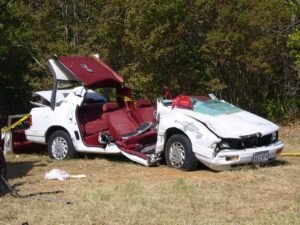
New car replacement coverage is an optional add-on to your auto insurance policy that protects you against significant financial loss if your brand new car is totaled or stolen within a specific timeframe. Instead of receiving the depreciated market value of your vehicle at the time of the incident, this coverage ensures you receive either a brand new car of the same make and model or the cash equivalent to purchase one.
How Does it Differ From Standard Auto Insurance?
Standard auto insurance policies, particularly collision and comprehensive coverage, typically pay out the actual cash value (ACV) of your car at the time of the accident. ACV takes into account depreciation, meaning the payment you receive is less than what you originally paid for the car. New car replacement coverage, on the other hand, waives depreciation for a limited period and provides a settlement that allows you to replace your totaled new car with a similar one.
Example Scenario
Imagine you purchase a new car for $30,000. A year later, it’s totaled in an accident. Your standard insurance policy might only pay out $25,000 due to depreciation. With new car replacement coverage, you would receive either a check for $30,000 (or the current MSRP of the same model, if higher) or a brand new car of the same make and model, minus your deductible, of course.
Benefits of New Car Replacement Coverage
Financial Security
- Avoid significant financial loss: Replacing a totaled new car can be expensive, especially if you still owe money on the loan. New car replacement coverage ensures you’re not stuck with a large outstanding debt and no car.
- Peace of mind: Knowing you’re covered against the financial burden of replacing a new car in the event of a total loss provides significant peace of mind.
Replacement Value, Not Depreciated Value
- Get a brand new car: Instead of settling for a used car or a depreciated payout, you get the means to purchase a brand new vehicle of the same make and model.
- Maintains your investment: It helps protect the initial investment you made in your new car purchase.
Simplified Replacement Process
- Easier to replace your car: The payout makes it easier to purchase a replacement vehicle without having to worry about finding additional funds.
- Potentially faster replacement: Knowing you have the funds to replace your vehicle quickly can expedite the process.
Determining Eligibility and Coverage Limits
Vehicle Age Restrictions
New car replacement coverage typically applies only to vehicles within a specific age range. Most insurance companies offer this coverage for vehicles that are:
- Less than 1-2 years old: This is the most common restriction.
- With fewer than a certain number of miles: Often less than 12,000 to 24,000 miles.
Always check with your insurance provider for specific age and mileage limitations.
Total Loss Criteria
- Totaled Vehicle: The vehicle must be deemed a total loss by the insurance company, meaning the cost to repair it exceeds a certain percentage of its actual cash value.
- Theft: The coverage also applies if the vehicle is stolen and unrecoverable.
Coverage Limits and Deductibles
- Coverage Limits: While the goal is to replace the car with a new one, the policy may have coverage limits based on the original purchase price or the current MSRP.
- Deductibles: Like other auto insurance coverages, new car replacement coverage typically has a deductible that you must pay before the coverage kicks in.
Practical Tip
Before purchasing new car replacement coverage, carefully review the policy details and understand the eligibility requirements, coverage limits, and deductible amounts.
Factors Affecting the Cost of New Car Replacement Coverage
Vehicle Type and Value
- Higher Value Cars: More expensive cars will typically result in higher premiums for new car replacement coverage due to the greater potential payout in the event of a total loss.
- Vehicle Safety Ratings: Vehicles with high safety ratings may qualify for slightly lower premiums.
Driving Record
- Clean Driving Record: A clean driving record (no accidents or tickets) will generally result in lower insurance premiums.
- Poor Driving Record: A history of accidents or traffic violations will likely increase the cost of coverage.
Location
- Geographic Location: Location plays a significant role; urban areas with higher rates of theft or accidents will usually see higher premiums.
Insurance Company
- Different Insurance Providers: Premiums for new car replacement coverage can vary significantly between different insurance companies. It’s essential to shop around and compare quotes from multiple insurers.
Example
A 25-year-old driver with a clean driving record living in a suburban area might pay $50-$100 extra per year for new car replacement coverage on a $25,000 sedan. A driver with a less favorable driving record living in a high-risk urban area might pay significantly more.
Alternatives to New Car Replacement Coverage
Gap Insurance
- What is it? Guaranteed Asset Protection (GAP) insurance covers the “gap” between the actual cash value of your car and the amount you still owe on your loan.
- When it’s useful: GAP insurance is especially valuable if you made a small down payment or have a long-term loan, as you’re more likely to owe more than the car is worth.
- Difference from New Car Replacement: GAP insurance only covers the loan balance, not the cost of a new car.
Loan/Lease Payoff Coverage
- What is it? Some insurance companies offer loan/lease payoff coverage, which is similar to GAP insurance. It helps pay off your loan or lease if your car is totaled, even if you owe more than the car’s actual cash value.
- Limitations: Like GAP insurance, it doesn’t provide funds to purchase a new car.
Comparing Options
Consider your specific financial situation and risk tolerance when deciding whether to purchase new car replacement coverage, GAP insurance, or loan/lease payoff coverage. If you want the security of knowing you can replace your car with a new one, new car replacement coverage is the best option. If your primary concern is avoiding owing money on a totaled car, GAP insurance or loan/lease payoff coverage might be sufficient.
Conclusion
New car replacement coverage is a valuable addition to your auto insurance policy if you’ve recently purchased a new vehicle. It provides financial protection and peace of mind by ensuring you can replace your totaled or stolen car with a brand new one, without the sting of depreciation. While the cost of coverage varies based on several factors, the benefits often outweigh the expense, especially in the initial years of ownership. By understanding the eligibility requirements, coverage limits, and alternatives, you can make an informed decision about whether new car replacement coverage is right for you. Always compare quotes and policy details from different insurance providers to find the best coverage at the most competitive price.