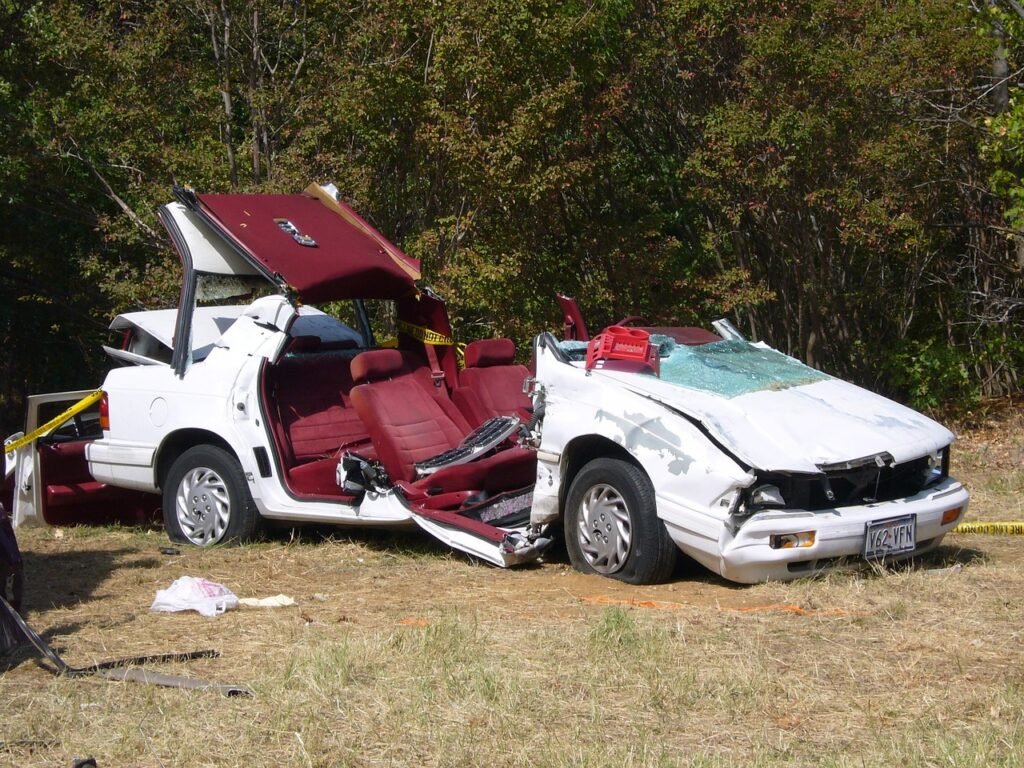
Navigating the world of rental cars can be exciting, promising freedom and flexibility on your travels. But before you hit the open road, understanding the complexities of rental car insurance is crucial. It’s easy to get overwhelmed by the various options presented at the rental counter, often leading to hasty decisions and potentially unnecessary expenses. This guide will demystify rental car insurance, empowering you to make informed choices and protect yourself financially.
Understanding Rental Car Insurance Options
Collision Damage Waiver (CDW) or Loss Damage Waiver (LDW)
The Collision Damage Waiver (CDW) or Loss Damage Waiver (LDW) is often the first type of insurance offered by rental car companies. It’s essentially a waiver that relieves you of financial responsibility if the rental car is damaged or stolen, regardless of fault.
- What it covers: Damage to the rental car resulting from collision, theft, vandalism, or other covered incidents.
- What it typically doesn’t cover: Injuries to yourself or others, damage to other vehicles, or damage resulting from violations of the rental agreement (e.g., driving under the influence). Also, often doesn’t cover damage if you are using the rental vehicle for commercial purposes (like ridesharing).
- Example: Imagine you accidentally back into a pole in a parking lot. With CDW/LDW, you likely won’t be responsible for paying for the repairs to the rental car (subject to any deductible).
Liability Insurance
Liability insurance covers damages you cause to other people or property if you’re at fault in an accident while driving the rental car. It protects you from financial responsibility for injuries or damages you inflict on others.
- What it covers: Bodily injury and property damage you cause to third parties.
- Why it’s important: Without liability insurance, you could be personally responsible for significant medical bills, vehicle repairs, and legal fees if you cause an accident.
- Example: You rear-end another vehicle, causing damage to their car and injuries to the driver. Liability insurance would help cover the costs of repairing the other vehicle and the injured driver’s medical expenses, up to the policy limits.
Personal Accident Insurance (PAI)
Personal Accident Insurance (PAI) covers medical expenses for injuries to you and your passengers in the event of an accident while you’re in the rental car. It may also provide death benefits.
- What it covers: Medical bills, ambulance fees, and death benefits for you and your passengers.
- Considerations: Check your existing health insurance policy to see if it provides coverage for accidents in rental cars. PAI is often redundant if you already have comprehensive health coverage.
- Example: You’re involved in an accident and suffer injuries. PAI would help cover your medical expenses, regardless of who was at fault.
Personal Effects Coverage (PEC)
Personal Effects Coverage (PEC) protects your belongings that are stolen or damaged while in the rental car.
- What it covers: Loss or damage to items such as laptops, luggage, and cameras.
- Considerations: Your homeowner’s or renter’s insurance policy may already provide coverage for personal belongings, even when you’re traveling.
- Example: Your laptop is stolen from the trunk of the rental car. PEC would help reimburse you for the cost of replacing it.
Checking Your Existing Insurance Coverage
Before opting for rental car insurance at the counter, thoroughly examine your existing insurance policies. You might already have sufficient coverage.
Auto Insurance
Your personal auto insurance policy often extends to rental cars, providing similar coverage as when you’re driving your own vehicle.
- Liability Coverage: Your liability coverage typically transfers to rental cars, protecting you from financial responsibility for damages you cause to others.
- Collision and Comprehensive Coverage: If you have collision and comprehensive coverage on your personal car, it may also apply to rental cars, covering damage to the rental car itself.
- Deductibles: Remember that your deductible from your personal policy will still apply if you make a claim on your car insurance.
Credit Card Benefits
Many credit cards offer rental car insurance as a perk. This can be a valuable benefit, but it’s essential to understand the terms and limitations.
- Primary vs. Secondary Coverage: Determine whether the credit card coverage is primary or secondary. Primary coverage means the credit card pays out first, before any other insurance. Secondary coverage means it only kicks in after you’ve exhausted all other insurance options.
- Coverage Limits: Be aware of the coverage limits. Credit cards often have caps on the amount they’ll pay out.
- Eligible Vehicles: Some credit cards exclude certain types of vehicles, such as luxury cars, SUVs, or trucks.
Homeowner’s or Renter’s Insurance
Your homeowner’s or renter’s insurance policy may cover personal belongings that are stolen or damaged while you’re traveling, including items in a rental car.
- Deductible: Like your auto insurance, your deductible applies to any claim you file.
- Policy Limits: Be aware of the policy limits and exclusions.
Making Informed Decisions at the Rental Counter
The rental counter can be a pressure-filled environment, but it’s crucial to make informed decisions about rental car insurance.
Assess Your Needs
Consider your existing insurance coverage, your risk tolerance, and the type of rental car you’re driving. Are you comfortable relying on your existing insurance, or do you prefer the peace of mind of having additional coverage?
Understand the Terms and Conditions
Carefully read the terms and conditions of any insurance you’re considering. Pay attention to the exclusions, deductibles, and coverage limits. Don’t hesitate to ask the rental car agent for clarification.
Don’t Be Pressured
Rental car agents may try to pressure you into buying insurance. Don’t feel obligated to purchase coverage you don’t need or want. Politely decline if you’re confident you have adequate coverage elsewhere.
Consider Third-Party Insurance
Explore third-party rental car insurance providers. These companies often offer more comprehensive coverage at lower prices than rental car companies.
- Comparison Shopping: Compare quotes from multiple providers to find the best deal.
- Read Reviews: Check online reviews to ensure the provider has a good reputation.
Potential Pitfalls and How to Avoid Them
Overlapping Coverage
Purchasing redundant insurance coverage can be a waste of money. Carefully evaluate your existing policies to avoid buying unnecessary coverage.
Exclusions and Limitations
Be aware of the exclusions and limitations of any rental car insurance policy. Some policies may not cover certain types of damage or incidents.
Paying for Unnecessary Coverage
Many renters automatically purchase all the insurance options offered by the rental company, often without fully understanding their existing coverage. Take the time to assess your needs and avoid paying for unnecessary insurance.
Ignoring the Rental Agreement
Violating the terms of the rental agreement can void your insurance coverage. Be sure to follow all the rules, such as not allowing unauthorized drivers to operate the vehicle and avoiding driving on unpaved roads.
Conclusion
Navigating rental car insurance can seem daunting, but with a little preparation and knowledge, you can make informed decisions and protect yourself financially. By understanding the different types of insurance options, checking your existing coverage, and assessing your needs, you can avoid unnecessary expenses and enjoy your travels with peace of mind. Remember to read the fine print, ask questions, and don’t be pressured into buying coverage you don’t need. Happy travels!