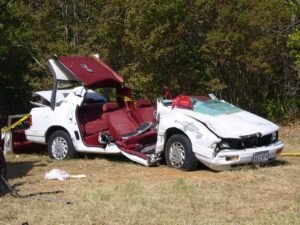
Vehicle coverage is more than just a piece of paper; it’s a safety net protecting you, your passengers, and your finances from the unpredictable realities of driving. Understanding the nuances of different types of coverage, from basic liability to comprehensive protection, empowers you to make informed decisions that align with your needs and budget. This guide delves into the essential aspects of vehicle coverage, offering clarity and practical advice to navigate the often-complex world of insurance.
Understanding the Basics of Vehicle Insurance
Why is Vehicle Insurance Important?
Vehicle insurance is a legal requirement in most states, but its importance extends far beyond simply complying with the law. It provides financial protection in the event of an accident, theft, or damage, shielding you from potentially crippling expenses.
- Financial Protection: Covers costs associated with accidents, including vehicle repairs, medical bills, and legal fees.
- Legal Compliance: Ensures you are meeting state-mandated insurance requirements.
- Peace of Mind: Offers reassurance knowing you are protected against unforeseen events.
Imagine being involved in an accident where you’re at fault and cause significant damage to another vehicle and injuries to the driver. Without adequate insurance, you would be personally responsible for covering all these expenses, which could easily amount to tens or even hundreds of thousands of dollars.
Key Terminology in Vehicle Insurance
Familiarizing yourself with common insurance terms is crucial for understanding your policy and making informed decisions.
- Premium: The amount you pay regularly (monthly or annually) for your insurance coverage.
- Deductible: The amount you pay out-of-pocket before your insurance coverage kicks in. A higher deductible usually means a lower premium, and vice versa.
- Coverage Limit: The maximum amount your insurance company will pay for a covered loss.
- Liability Coverage: Covers damages you cause to others if you are at fault in an accident.
- Collision Coverage: Covers damage to your vehicle resulting from a collision with another vehicle or object, regardless of fault.
- Comprehensive Coverage: Covers damage to your vehicle from events other than collisions, such as theft, vandalism, fire, or natural disasters.
- Uninsured/Underinsured Motorist Coverage: Protects you if you are hit by a driver who has no insurance or insufficient insurance to cover your damages.
Knowing these terms allows you to better compare policies and understand exactly what your coverage entails.
Types of Vehicle Coverage
Liability Coverage
Liability coverage is the foundation of most auto insurance policies and is typically required by law. It protects you financially if you are at fault in an accident that causes bodily injury or property damage to others.
- Bodily Injury Liability: Covers medical expenses, lost wages, and pain and suffering for injuries you cause to others.
- Property Damage Liability: Covers the cost of repairing or replacing damaged property, such as another vehicle or a fence.
- Example: If you rear-end another car and cause $5,000 in damage to their vehicle and $10,000 in medical bills, your liability coverage would help cover those costs, up to your policy limits. Minimum liability requirements vary by state, but experts often recommend higher limits for greater protection.
Collision and Comprehensive Coverage
These coverages protect your vehicle from damage, regardless of fault (in the case of collision) or the cause of damage (in the case of comprehensive).
- Collision Coverage: Covers damage to your vehicle when it collides with another vehicle or object. It typically has a deductible.
- Comprehensive Coverage: Covers damage to your vehicle from other events, such as theft, vandalism, fire, hail, or hitting an animal. This also typically has a deductible.
- Example: If your car is stolen, comprehensive coverage would pay for the loss, minus your deductible. If you hit a deer, comprehensive coverage would cover the damage. If you back into a pole in a parking lot, collision coverage would cover the damage.
Uninsured/Underinsured Motorist Coverage
This coverage protects you if you’re hit by a driver who doesn’t have insurance (uninsured) or whose insurance isn’t enough to cover your damages (underinsured).
- Uninsured Motorist Bodily Injury (UMBI): Covers medical expenses, lost wages, and pain and suffering if you’re injured by an uninsured driver.
- Uninsured Motorist Property Damage (UMPD): Covers damage to your vehicle if it’s damaged by an uninsured driver (may not be available in all states).
- Underinsured Motorist Bodily Injury (UIMBI): Covers medical expenses, lost wages, and pain and suffering if you’re injured by an underinsured driver.
- Example: You are seriously injured by a driver who only has the state minimum liability coverage of $25,000. Your medical bills exceed that amount. Your UIMBI coverage would help cover the remaining expenses, up to your policy limits.
Factors Affecting Your Vehicle Insurance Rates
Several factors influence the cost of your vehicle insurance. Understanding these factors can help you potentially lower your premiums.
Driving History
Your driving record is a significant factor in determining your insurance rates.
- Accidents: A history of accidents, especially at-fault accidents, will likely increase your premiums.
- Traffic Violations: Speeding tickets, moving violations, and DUIs can all negatively impact your insurance rates.
- Clean Record: Maintaining a clean driving record for several years can qualify you for discounts and lower premiums.
Insurance companies see drivers with a history of accidents or violations as higher-risk and charge accordingly.
Vehicle Type
The type of vehicle you drive affects your insurance rates.
- Safety Features: Vehicles with advanced safety features, such as anti-lock brakes, airbags, and lane departure warning systems, may qualify for discounts.
- Vehicle Age: Newer vehicles are often more expensive to insure due to higher repair costs. Older vehicles may cost less, depending on their condition.
- Vehicle Make and Model: Sports cars and luxury vehicles typically have higher insurance rates than sedans or minivans because they are more likely to be involved in accidents or stolen, and the parts are more expensive.
Consider the insurance costs associated with a vehicle before purchasing it.
Demographics
Certain demographic factors can also play a role in determining your insurance rates.
- Age: Younger drivers, especially those under 25, typically pay higher premiums due to their lack of driving experience.
- Gender: Statistically, male drivers tend to be involved in more accidents than female drivers, which can result in higher rates.
- Location: Urban areas with higher traffic density and crime rates often have higher insurance premiums than rural areas.
- Credit Score: In many states, insurance companies can use your credit score to assess risk. A good credit score can lead to lower premiums.
While you can’t change your age or gender, you can take steps to improve your credit score and consider how your location affects your insurance costs.
How to Choose the Right Vehicle Coverage
Choosing the right vehicle coverage involves assessing your individual needs and risk tolerance.
Assess Your Needs
- State Requirements: Start by understanding the minimum insurance requirements in your state.
- Financial Situation: Evaluate your ability to pay out-of-pocket for damages in the event of an accident.
- Driving Habits: Consider how often you drive, where you drive, and your driving record.
Someone who commutes daily in a busy city will likely need more coverage than someone who only drives occasionally in a rural area.
Determine Coverage Limits
- Liability Coverage: Consider higher liability limits to protect your assets in case you are at fault in an accident. Experts often recommend at least $100,000/$300,000 for bodily injury and $50,000 for property damage.
- Collision and Comprehensive Coverage: Choose deductibles you are comfortable paying out-of-pocket. Higher deductibles will lower your premiums, but you’ll pay more if you have a claim.
- Uninsured/Underinsured Motorist Coverage: This is crucial for protecting yourself against drivers who don’t have adequate insurance. Consider limits that match your liability coverage.
Compare Quotes
- Shop Around: Get quotes from multiple insurance companies to compare prices and coverage options.
- Read the Fine Print: Carefully review the policy details to understand what is covered and what is not.
- Discounts:* Ask about available discounts, such as safe driver discounts, multi-policy discounts (bundling auto and home insurance), and student discounts.
Online comparison tools can make it easy to get multiple quotes quickly.
Conclusion
Selecting the appropriate vehicle coverage is a critical step in protecting yourself, your vehicle, and your financial well-being. By understanding the different types of coverage, the factors influencing your rates, and how to assess your individual needs, you can make informed decisions that provide the peace of mind you deserve while on the road. Remember to regularly review your policy and update your coverage as your circumstances change.