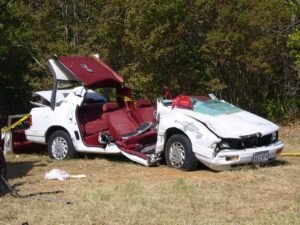
Many people assume that you only need car insurance if you own a vehicle. But what happens if you frequently borrow cars, rent them, or use car-sharing services? You could be held liable for damages in an accident, even if you don’t own the vehicle. This is where non-owner car insurance comes in, providing crucial liability coverage and peace of mind. Let’s delve into the details of this often-overlooked but valuable insurance option.
What is Non-Owner Car Insurance?
Definition and Purpose
Non-owner car insurance provides liability coverage when you drive a car you don’t own. This means it covers bodily injury and property damage you cause to others if you’re at fault in an accident while driving someone else’s vehicle.
- It’s a separate policy from the car owner’s insurance.
- It primarily covers situations where the vehicle owner’s insurance is insufficient or doesn’t apply.
- It provides an extra layer of protection for you.
Who Needs Non-Owner Car Insurance?
This type of insurance is beneficial for individuals in several situations:
- Frequent renters: If you regularly rent cars, non-owner insurance can be more cost-effective than purchasing rental car insurance every time.
- Borrowers: If you frequently borrow cars from friends or family, you might consider non-owner insurance to protect yourself and the vehicle owner.
- Car-sharing users: If you use services like Zipcar or Turo frequently, this policy can supplement their coverage.
- Suspended license reinstatement: Some states require non-owner insurance (SR-22 certificate) to reinstate a suspended license, even if you don’t own a car.
- Those who want supplemental liability protection: Even if you rarely drive, having a non-owner policy can offer peace of mind in case of an unexpected situation.
- Individuals between car ownership: If you’ve sold your car and are planning to buy a new one in the near future but need to drive occasionally, non-owner insurance can fill the gap.
- Example: Imagine you borrow your friend’s car to run an errand and accidentally rear-end another vehicle. Your friend’s insurance would be the primary coverage, but if the damages exceed their policy limits, your non-owner insurance would kick in to cover the remaining costs.
How Non-Owner Car Insurance Works
Primary vs. Secondary Coverage
It’s important to understand how non-owner insurance interacts with the car owner’s policy. The vehicle owner’s insurance is always the primary coverage. Non-owner insurance acts as a secondary or supplemental policy.
- Primary Coverage: The car owner’s insurance pays out first in the event of an accident.
- Secondary Coverage: If the damages exceed the car owner’s policy limits, your non-owner policy will cover the remaining expenses, up to your policy’s limits.
- It won’t pay for damage to the car you were driving: Non-owner insurance only covers bodily injury and property damage to others in an accident you cause.
Coverage Options
Non-owner policies typically include:
- Bodily Injury Liability: Covers medical expenses and legal fees if you injure someone in an accident.
- Property Damage Liability: Covers the cost of repairing or replacing damaged property, such as another car or a building.
- Uninsured/Underinsured Motorist Coverage (in some states): This protects you if you’re hit by a driver who doesn’t have insurance or whose insurance is insufficient to cover your injuries.
What Non-Owner Car Insurance Doesn’t Cover
While non-owner insurance offers valuable protection, it’s crucial to understand its limitations:
- Damage to the vehicle you’re driving: It doesn’t cover repairs or replacement of the borrowed or rented vehicle.
- Your injuries: It doesn’t cover your own medical expenses resulting from an accident.
- Vehicles you own: It only applies when you’re driving a vehicle you don’t own.
- Commercial use: Typically doesn’t cover driving for commercial purposes, such as delivery services.
- Family members in the same household: Usually doesn’t extend coverage to vehicles owned by family members living in the same household.
Benefits of Non-Owner Car Insurance
Financial Protection
The most significant benefit is financial protection. Accidents can be incredibly expensive, and being liable for injuries or property damage without insurance can lead to significant debt.
- Avoid paying out-of-pocket for damages.
- Protect your assets from lawsuits.
- Gain peace of mind knowing you’re covered.
- Example: Without non-owner insurance, you could be personally responsible for hundreds of thousands of dollars in medical bills and vehicle repair costs if you cause a serious accident.
Cost-Effective Solution
For frequent renters or borrowers, non-owner insurance is often more cost-effective than other options.
- Typically cheaper than adding yourself to someone else’s policy.
- Potentially more economical than purchasing rental car insurance every time you rent.
- Provides continuous coverage, regardless of how often you drive.
Simplified Claims Process
Dealing with insurance claims can be stressful, but having your own policy can simplify the process.
- Work directly with your own insurance company.
- Have dedicated support throughout the claims process.
- Avoid relying solely on the car owner’s insurance company.
Fulfilling Legal Requirements
In some states, non-owner insurance is required to reinstate a suspended license, even if you don’t own a car. An SR-22 form, which proves you have the minimum required insurance, might be necessary.
- Meet state requirements for license reinstatement.
- Avoid further legal complications.
- Get back on the road legally.
Getting a Non-Owner Car Insurance Quote
Factors Affecting the Cost
The cost of non-owner car insurance varies depending on several factors:
- Driving record: A clean driving record results in lower premiums. Tickets and accidents will increase the cost.
- Age: Younger drivers typically pay more than older, more experienced drivers.
- Location: Insurance rates vary by state and even city.
- Coverage limits: Higher coverage limits mean higher premiums.
- Credit score: In some states, your credit score can affect your insurance rate.
How to Obtain a Quote
Getting a quote is a simple process.
- Online quotes: Many insurance companies offer online quote tools.
- Contact an insurance agent: An independent agent can compare quotes from multiple insurers.
- Provide accurate information: Ensure you provide accurate information about your driving history and personal details.
- Compare quotes: Compare quotes from multiple insurers to find the best price and coverage.
- Tip: Bundle your non-owner car insurance with other insurance policies, such as renters or homeowners insurance, to potentially save money.
Documents Needed
When getting a quote, you may need to provide:
- Driver’s license: To verify your identity and driving history.
- Social Security number: For identification and credit check purposes (in some states).
- Address: To determine your location and associated risks.
- Driving history:* Details about any past accidents or traffic violations.
Conclusion
Non-owner car insurance is a smart and often overlooked way to protect yourself financially when driving a vehicle you don’t own. Whether you’re a frequent renter, borrower, or simply want extra liability protection, understanding the benefits and limitations of this policy is crucial. By considering your individual circumstances and exploring your options, you can make an informed decision about whether non-owner insurance is right for you. Take the time to obtain quotes, compare policies, and secure the coverage you need to drive with confidence and peace of mind.