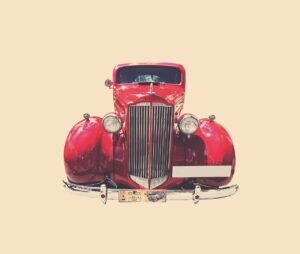
Classic cars are more than just transportation; they’re rolling pieces of history, meticulously maintained and cherished by their owners. Protecting these automotive treasures requires a specialized type of insurance that goes beyond the standard auto policy. Classic car insurance understands the unique needs of vintage vehicles and their collectors. This guide will delve into the intricacies of classic car insurance, ensuring you have the knowledge to properly safeguard your prized possession.
What is Classic Car Insurance?
Classic car insurance is a specialized insurance product designed to cover vehicles that meet specific criteria related to age, condition, and usage. Unlike standard auto insurance, which primarily considers the vehicle’s transportation value, classic car insurance recognizes and values the collector’s item aspect.
Key Differences from Standard Auto Insurance
- Valuation: Standard insurance typically uses Actual Cash Value (ACV), which factors in depreciation. Classic car insurance often offers Agreed Value coverage, meaning you and the insurer agree on the car’s worth at the policy’s inception. This ensures you receive the agreed-upon amount in case of a total loss, without depreciation deductions.
Example: If you have a standard policy and your classic Mustang is totaled, you might only receive the market value of a used Mustang of similar age and condition, which could be significantly less than what you’ve invested. With Agreed Value coverage of $50,000, you’d receive that full amount.
- Usage Restrictions: Classic car insurance policies often come with usage limitations. These are designed to minimize risk and typically restrict daily driving, commuting, and racing.
Example: A policy might state that the car can only be driven to car shows, club events, or for occasional pleasure drives. Regular commuting to work would likely violate the terms and could void coverage.
- Specialized Coverage: Classic car insurance may include coverage for spare parts, restoration work in progress, and even coverage during transit to and from shows. Standard policies typically lack these specific coverages.
What Qualifies a Car as a Classic?
The definition of a “classic car” varies by insurer, but generally, these factors are considered:
- Age: Typically, cars 20-25 years or older may qualify. Some insurers might consider cars older than 15 years as potentially eligible depending on other factors.
- Condition: The vehicle should be well-maintained and in good to excellent condition. Some insurers require professional appraisals to verify the car’s condition and value.
- Usage: The car should be primarily used for shows, club events, and occasional pleasure drives, not for daily transportation.
- Originality: While not always a strict requirement, vehicles that retain their original features and components are often favored. Modifications might affect eligibility.
Types of Coverage Offered
Classic car insurance policies typically offer a range of coverages tailored to the unique risks associated with owning and maintaining a vintage vehicle.
Agreed Value vs. Stated Value
- Agreed Value: As mentioned earlier, this is often the preferred option for classic car owners. You and the insurer agree on the car’s value upfront. This value is typically based on a professional appraisal and documented evidence of the car’s condition and features.
Actionable Tip: Obtain a professional appraisal from a qualified appraiser specializing in classic cars. This will provide solid documentation for the agreed value.
- Stated Value: With stated value, you declare the car’s value, but the insurer isn’t obligated to pay that amount in the event of a total loss. They may still pay based on Actual Cash Value (ACV) or market value, potentially leaving you shortchanged.
Essential Coverage Options
- Liability Coverage: Covers bodily injury and property damage you cause to others in an accident. It’s a legal requirement in most states.
- Collision Coverage: Pays for damage to your classic car if you collide with another vehicle or object, regardless of fault.
- Comprehensive Coverage: Protects your car from damage caused by events other than collisions, such as fire, theft, vandalism, or natural disasters.
- Uninsured/Underinsured Motorist Coverage: Protects you if you’re hit by a driver who doesn’t have insurance or has insufficient coverage to pay for your damages.
- Spare Parts Coverage: Covers the cost of replacement parts if they are stolen or damaged.
Example: If you have a collection of rare engine parts stored in your garage, this coverage could protect them against theft or fire.
- Trip Interruption Coverage: Reimburses you for expenses like lodging and meals if your car breaks down during a covered event, like a car show far from home.
Specialized Coverage Considerations
- Coverage During Restoration: If you’re actively restoring your classic car, inquire about coverage that protects the vehicle during the restoration process, including coverage for parts and labor.
- Coverage for Car Shows and Events: Ensure your policy covers your car while it’s on display at car shows or other events, including transit to and from the event.
- Worldwide Coverage: If you plan to take your classic car to international events or rallies, check if your policy offers worldwide coverage.
Factors Affecting Classic Car Insurance Rates
Several factors influence the cost of classic car insurance. Understanding these factors can help you find the most affordable coverage.
Vehicle-Related Factors
- Value: The higher the agreed value of your car, the higher your insurance premium will likely be.
- Make and Model: Some makes and models are more expensive to repair or replace than others, affecting insurance rates.
- Age: The age of the car can impact rates, with older or rarer models potentially commanding higher premiums.
- Condition: A meticulously restored car in excellent condition may qualify for lower rates than a car in fair condition.
- Security Features: The presence of anti-theft devices, such as alarms or GPS tracking systems, can potentially lower your premium.
Owner-Related Factors
- Driving Record: A clean driving record with no accidents or violations will typically result in lower rates.
- Storage Location: Storing your car in a secure, locked garage is generally viewed more favorably than storing it in a carport or on the street.
- Membership in Car Clubs: Some insurers offer discounts to members of recognized classic car clubs.
- Usage: Restricting the car’s usage to shows, club events, and occasional pleasure drives will typically result in lower rates.
- Insurance History: Maintaining continuous insurance coverage can also lead to lower rates.
Location-Based Factors
- Geographic Location: Insurance rates vary by state and even by zip code. Areas with higher rates of theft or vandalism may have higher premiums.
- Climate: Areas prone to extreme weather events, such as hurricanes or hailstorms, may also have higher rates.
Tips for Lowering Your Premium
- Shop Around: Get quotes from multiple insurers specializing in classic car insurance.
- Increase Deductibles: Raising your deductible can lower your premium, but make sure you can comfortably afford the higher out-of-pocket expense in the event of a claim.
- Install Security Devices: Anti-theft devices can deter theft and potentially lower your premium.
- Join a Car Club: Some insurers offer discounts to members of recognized classic car clubs.
- Limit Usage: Restrict your car’s usage to shows, club events, and occasional pleasure drives.
- Maintain a Clean Driving Record: Avoid accidents and traffic violations.
- Secure Storage: Store your car in a locked garage or storage facility.
Choosing the Right Insurance Provider
Selecting the right insurance provider is crucial for protecting your classic car. Not all insurers understand the unique needs of classic car owners.
Key Considerations
- Specialization: Look for insurers that specialize in classic car insurance. These companies have a better understanding of the valuation process, coverage needs, and claims handling for vintage vehicles.
- Reputation and Financial Stability: Check the insurer’s reputation and financial stability. Look for companies with high ratings from independent rating agencies like A.M. Best or Standard & Poor’s.
- Customer Service: Read online reviews and testimonials to gauge the insurer’s customer service quality. Choose a company known for its responsive and helpful customer support.
- Claims Handling Process: Inquire about the insurer’s claims handling process. A smooth and efficient claims process is essential in the event of a loss.
- Coverage Options: Ensure the insurer offers the coverage options you need, such as Agreed Value coverage, spare parts coverage, and coverage during restoration.
- Policy Exclusions: Carefully review the policy exclusions to understand what is not covered.
Questions to Ask Potential Insurers
- “What type of valuation method do you use (Agreed Value, Stated Value, ACV)?”
- “What are the usage restrictions on the policy?”
- “Do you offer coverage for spare parts and restoration work?”
- “What is your claims handling process?”
- “Are there any discounts available for car club members or owners with security devices?”
- “What are the policy exclusions?”
Filing a Claim
Knowing what to do in the event of an accident or other covered loss is crucial for a smooth claims process.
Steps to Take After an Incident
- Ensure Safety: Prioritize your safety and the safety of others involved.
- Report the Incident: Report the incident to the police, especially if there is significant damage or injuries.
- Gather Information: Collect information from all parties involved, including names, addresses, phone numbers, insurance information, and vehicle details.
- Document the Damage: Take photos or videos of the damage to your car and any other property involved.
- Contact Your Insurer: Contact your insurance provider as soon as possible to report the claim.
- Protect Your Car: Take steps to protect your car from further damage, such as covering it with a tarp if it’s exposed to the elements.
Working with the Insurer
- Provide Accurate Information: Provide your insurer with accurate and complete information about the incident.
- Cooperate with the Investigation: Cooperate with the insurer’s investigation and provide any requested documentation.
- Obtain Repair Estimates: Get repair estimates from reputable shops specializing in classic car restoration.
- Review the Settlement Offer: Carefully review the settlement offer from the insurer and ensure it adequately covers your damages.
- Negotiate if Necessary: If you disagree with the settlement offer, be prepared to negotiate with the insurer.
Conclusion
Classic car insurance is a vital investment for protecting your cherished vintage vehicle. By understanding the nuances of this specialized insurance product, you can make informed decisions and ensure your prized possession is properly safeguarded against potential risks. Remember to shop around, compare quotes, and choose an insurer that understands the unique needs of classic car owners. With the right coverage in place, you can enjoy your classic car with peace of mind, knowing it’s protected for years to come.