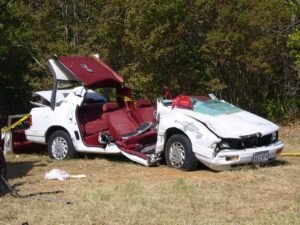
Navigating the world of car insurance can feel like deciphering a foreign language. From liability coverage to uninsured motorist protection, understanding the legal requirements and options available is crucial for responsible driving and financial security. This guide will break down the key car insurance laws to empower you to make informed decisions about protecting yourself and your vehicle.
Understanding Mandatory Car Insurance Laws
What Does “Mandatory” Mean?
The term “mandatory car insurance” signifies that having a minimum level of car insurance coverage is a legal requirement for operating a vehicle on public roads. Most states have laws specifying these minimums, designed to ensure that drivers can financially cover damages or injuries they cause in an accident.
- Example: Many states require drivers to carry liability insurance, which covers damages and injuries to others if you are at fault in an accident.
Minimum Coverage Requirements by State
Each state sets its own minimum car insurance requirements. These usually include:
- Bodily Injury Liability (BI): This covers the medical expenses, lost wages, and pain and suffering of people injured in an accident you caused. Requirements are often expressed as two numbers, such as 25/50. This means $25,000 coverage per person and $50,000 coverage per accident.
- Property Damage Liability (PD): This covers the cost of repairing or replacing someone else’s vehicle or property if you damage it in an accident.
- Uninsured/Underinsured Motorist (UM/UIM): This coverage protects you if you are hit by a driver who has no insurance or insufficient insurance to cover your damages. Some states require this, while others offer it as optional coverage.
- Actionable Takeaway: Check your state’s Department of Motor Vehicles (DMV) or Department of Insurance website to understand the specific minimum coverage requirements in your area.
Penalties for Driving Without Insurance
Driving without insurance can result in serious consequences, which vary by state. These may include:
- Fines: Financial penalties can range from a few hundred to thousands of dollars.
- License Suspension: Your driver’s license may be suspended, making it illegal for you to operate a vehicle.
- Vehicle Impoundment: Your vehicle may be impounded, requiring you to pay fees to retrieve it.
- Jail Time: In some cases, repeat offenders may face jail time.
- Increased Insurance Rates: Obtaining insurance after being caught driving without it can result in significantly higher premiums.
- Example: In California, driving without insurance can result in fines ranging from $100 to $200 for a first offense, plus penalty assessments. Subsequent offenses can result in higher fines and license suspension.
Types of Car Insurance Coverage
Liability Coverage: Protecting Others
Liability coverage is the cornerstone of most car insurance policies and is usually required by law.
- Bodily Injury Liability: Covers medical bills, lost wages, and other expenses related to injuries sustained by others in an accident you caused.
- Property Damage Liability: Covers the cost of repairing or replacing damaged property, such as vehicles, fences, or buildings, in an accident you caused.
- Tip: Consider purchasing liability coverage that exceeds the state minimum to provide adequate protection in case of a serious accident.
Collision and Comprehensive Coverage: Protecting Your Vehicle
These coverages protect your own vehicle, regardless of fault.
- Collision Coverage: Covers damage to your vehicle resulting from a collision with another vehicle or object.
- Comprehensive Coverage: Covers damage to your vehicle resulting from events other than a collision, such as theft, vandalism, fire, or natural disasters.
- Benefit: Collision and comprehensive coverage can be particularly beneficial for newer or more expensive vehicles, where repair or replacement costs would be substantial.
Uninsured/Underinsured Motorist Coverage: Protection From Irresponsible Drivers
This critical coverage protects you when you’re involved in an accident with a driver who either has no insurance or insufficient insurance to cover your damages.
- Uninsured Motorist Bodily Injury (UMBI): Covers your medical expenses and other related costs if you’re injured by an uninsured driver.
- Uninsured Motorist Property Damage (UMPD): Covers damage to your vehicle caused by an uninsured driver (may not be available in all states).
- Underinsured Motorist Bodily Injury (UIMBI): Covers your medical expenses and other related costs if you’re injured by a driver whose insurance limits are insufficient to cover your damages.
- Example: If you’re seriously injured by a driver with the state’s minimum liability coverage, and your medical bills exceed their policy limits, UIMBI coverage can help cover the remaining expenses.
Other Optional Coverages
Beyond the core coverages, several optional coverages can provide additional protection.
- Personal Injury Protection (PIP): Covers your medical expenses and lost wages regardless of who is at fault in the accident (available in “no-fault” states).
- Medical Payments (MedPay): Similar to PIP, but often with lower coverage limits.
- Gap Insurance: Covers the difference between your vehicle’s actual cash value and the amount you still owe on your loan if your car is totaled.
- Rental Reimbursement: Covers the cost of a rental car while your vehicle is being repaired after a covered accident.
- Roadside Assistance: Covers services like towing, jump-starts, and tire changes.
Factors Affecting Car Insurance Rates
Driving Record
Your driving history is a significant factor in determining your car insurance rates.
- Tickets and Accidents: Speeding tickets, accidents (especially those where you were at fault), and other traffic violations can significantly increase your premiums.
- DUI/DWI: Driving under the influence is considered a serious offense and can result in a substantial increase in insurance rates or even policy denial.
Vehicle Type
The make and model of your vehicle also play a role in determining your insurance rates.
- Safety Features: Vehicles with advanced safety features, such as anti-lock brakes, airbags, and electronic stability control, may qualify for lower insurance rates.
- Repair Costs: Vehicles that are more expensive to repair or have a higher theft rate tend to have higher insurance premiums.
Location
Where you live can also affect your car insurance rates.
- Urban vs. Rural: Drivers in urban areas typically pay higher insurance rates than those in rural areas due to higher traffic density and a greater risk of accidents and theft.
- Crime Rates: Areas with higher crime rates may also have higher insurance premiums due to an increased risk of vandalism or theft.
Age and Gender
Insurance companies use statistical data to assess risk, which can influence rates based on age and gender.
- Young Drivers: Young drivers, particularly males, often pay higher insurance rates due to their inexperience and higher accident rates.
- Older Drivers: As drivers age, their rates may increase again due to age-related declines in vision and reaction time.
Coverage Limits and Deductibles
The level of coverage you choose and your deductible amount also affect your insurance rates.
- Higher Coverage Limits: Choosing higher coverage limits will result in higher premiums, but it also provides greater financial protection in the event of a serious accident.
- Higher Deductibles: Choosing a higher deductible will lower your premiums, but you’ll have to pay more out-of-pocket if you file a claim.
- Actionable Takeaway: Compare quotes from multiple insurance companies to find the best rates and coverage options for your specific needs. Regularly review your policy to ensure it still meets your needs.
Navigating the Claims Process
Reporting an Accident
Promptly reporting an accident to your insurance company is crucial.
- Gather Information: Collect information from all parties involved, including names, addresses, phone numbers, insurance information, and vehicle details.
- Document the Scene: Take photos of the accident scene, including vehicle damage, property damage, and any visible injuries.
- File a Police Report: If there are injuries or significant property damage, file a police report.
Working with the Insurance Adjuster
An insurance adjuster will investigate the accident and determine liability.
- Cooperate with the Adjuster: Provide the adjuster with all requested information and documents.
- Be Honest and Accurate: Provide accurate information about the accident and any injuries you sustained.
- Keep Records: Keep copies of all communication with the adjuster and any documents you submit.
Understanding Settlement Offers
The insurance adjuster will eventually make a settlement offer to cover your damages.
- Review the Offer Carefully: Review the offer to ensure it covers all of your expenses, including medical bills, lost wages, and vehicle repairs.
- Negotiate if Necessary: If you believe the offer is insufficient, you can negotiate with the adjuster.
- Seek Legal Advice: If you are unable to reach a fair settlement, consider seeking legal advice from an attorney.
Conclusion
Understanding car insurance laws and coverage options is essential for protecting yourself and your financial well-being on the road. By familiarizing yourself with state-specific requirements, exploring different types of coverage, and being proactive in comparing rates and managing your policy, you can make informed decisions that provide peace of mind and financial security. Remember to regularly review your policy to ensure it continues to meet your evolving needs and circumstances. Staying informed and prepared is the best way to navigate the complex world of car insurance.